Featured
Things about How APFSC Work to Reach When Should You Give...
The Facts About The Future in Debt Forgiveness Solutions ...
Chapter 13 Essentials and Qualifications Can Be Fun For E...
Navigating Debt Mercy in 2026: Searching For Legitimate Relief in a Crowded Market
Table of Contents
- – What Financial Debt Forgiveness Really Means
- – The Important Difference In Between Nonprofit ...
- – Personal Bankruptcy Therapy: Comprehending You...
- – Comparing Your Financial Obligation Alleviatio...
- – Indication of Financial Obligation Relief Scams
- – Making an Enlightened Decision
- – Taking the First Action
When charge card balances spiral beyond control and monthly minimum payments hardly damage the surface area of what you owe, the weight of financial anxiety can really feel intolerable. With American customers now holding over $1.21 trillion in credit rating card financial obligation jointly, locating genuine debt alleviation has actually never been much more critical. Virtually half of cardholders bring an equilibrium from month to month, and the portion falling back on minimum payments has actually risen to 12.3% in recent data.
For those looking for a path out of overwhelming financial debt, recognizing the distinction in between debt forgiveness, bankruptcy therapy, and financial debt monitoring can indicate the difference in between monetary healing and much deeper difficulty.
What Financial Debt Forgiveness Really Means
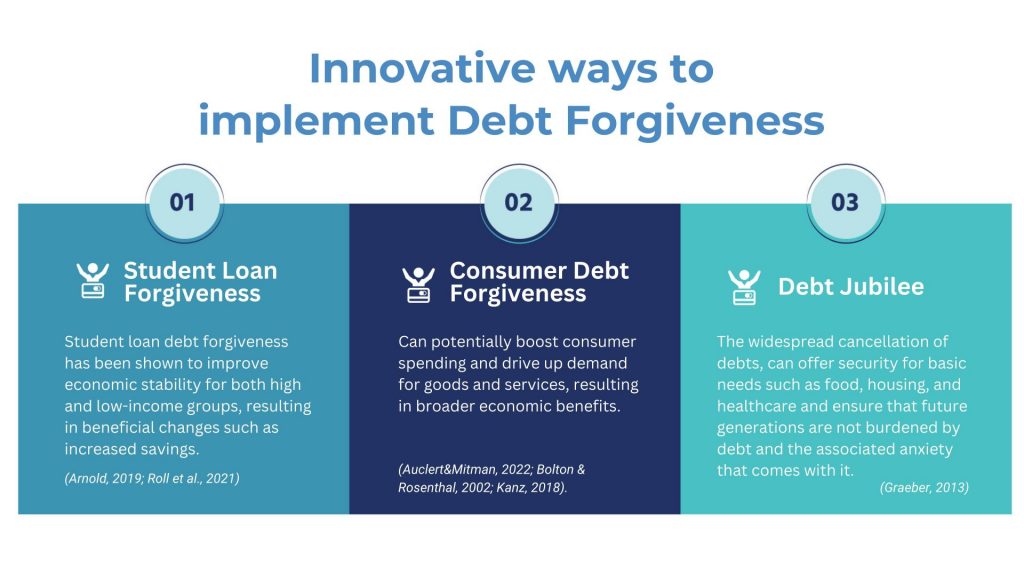
Debt forgiveness refers to the process of working out with creditors to lower the total amount owed, enabling consumers to settle their financial debts for much less than the original balance. Unlike financial debt combination, which incorporates numerous financial debts into a single payment, or debt management prepares that restructure repayment timetables, financial debt mercy programs actively work to eliminate sections of your outstanding balances.
When a charge card account goes unsettled for 120 days or even more, financial institutions commonly charge off the financial debt and might approve reduced settlements to recoup a minimum of a portion of what they're owed. Settlements usually vary from 30% to 50% of the original equilibrium, though results vary based on the financial institution, account age, and specific scenarios. A lot of financial obligation mercy programs cover two to 4 years, needing clients to build funds in committed accounts while mediators deal with financial institutions.
It's worth noting that forgiven debt over $600 is typically thought about taxable income by the internal revenue service. Anybody taking into consideration financial obligation negotiation should speak with a tax obligation expert to understand the implications before continuing.
The Important Difference In Between Nonprofit and For-Profit Solutions
The Customer Financial Protection Bureau warns that handling for-profit financial debt settlement business can be risky. These firms usually bill fees ranging from 15% to 25% of signed up financial obligation and often motivate clients to stop paying entirely while arrangements proceed. This approach can cause placing late fees, charge passion fees, harmed debt ratings, and also claims from lenders.
Nonprofit credit counseling agencies operate under different standards. Organizations authorized by the U.S. Division of Justice as 501(c)(3) nonprofits concentrate on client welfare as opposed to profit margins. Their credit scores therapy sessions are typically used for free, and debt management program fees are capped at $79 monthly across the country under government laws.
The National Structure for Credit Scores Counseling (NFCC), founded in 1951, stands for the gold requirement for nonprofit monetary therapy. NFCC member companies should satisfy stringent ethical requirements, with therapists required to recertify every 2 years. Research performed by Ohio State University discovered that NFCC credit scores therapy customers minimized their rotating debt by $3,600 even more than contrast groups over 18 months adhering to counseling, with 70% reporting boosted economic self-confidence.
Personal Bankruptcy Therapy: Comprehending Your Legal Demands
For individuals whose economic circumstances have actually deteriorated beyond what financial debt mercy or management programs can attend to, insolvency might end up being necessary. Federal legislation needs anyone filing for Chapter 7 or Phase 13 personal bankruptcy to complete both pre-filing credit scores counseling and post-filing debtor education courses with an accepted agency.
Pre-bankruptcy therapy involves a detailed evaluation of income, debts, and costs, together with exploration of options to bankruptcy. The session aids filers recognize whether insolvency genuinely represents their ideal alternative or whether various other debt relief approaches could work. Post-filing debtor education concentrates on budgeting, saving, and restoring credit rating after bankruptcy discharge.
Both sessions typically take 60 to 90 minutes. Costs differ by company yet typically variety from $20 to $50 per training course, with charge waivers available for those who certify based on income. Upon conclusion, filers obtain certificates needed for their bankruptcy requests.
Not-for-profit agencies like APFSC offer these called for bankruptcy therapy training courses together with their other financial obligation alleviation solutions, giving a streamlined experience for those navigating the personal bankruptcy process.
Comparing Your Financial Obligation Alleviation Options
Understanding which approach fits your circumstance requires truthful assessment of your financial circumstances.
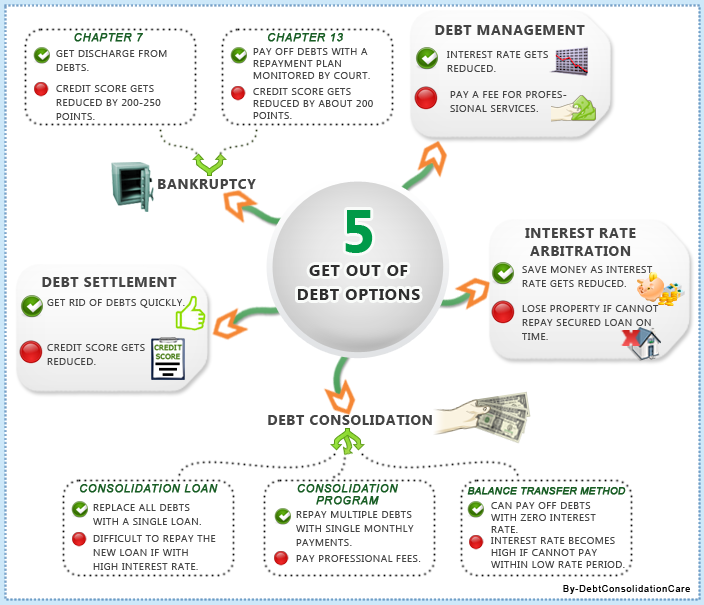
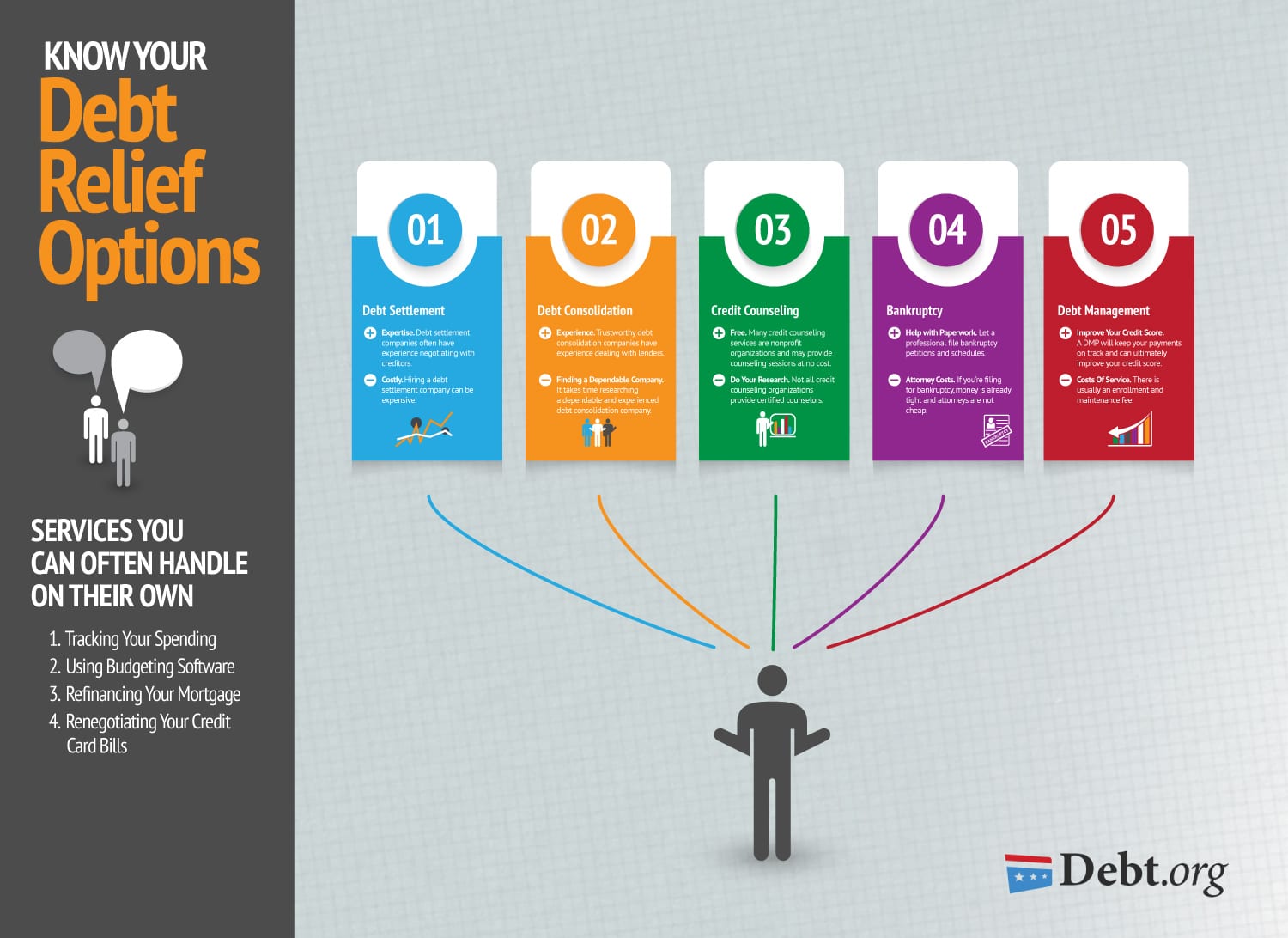
Financial obligation monitoring plans work best for those that can still make consistent payments yet need helping in reducing rate of interest and organizing several financial debts into single month-to-month repayments. These programs commonly span 3 to five years and pay financial obligations completely, simply with better terms. Credit rating frequently boost in time as balances decrease.
Financial obligation settlement or forgiveness programs fit those with bigger financial obligation lots, generally $7,500 or even more, who have currently fallen behind on payments and can not reasonably pay equilibriums completely. These programs negotiate lowered paybacks yet lug credit report rating consequences and tax ramifications.
Bankruptcy offers one of the most significant alleviation however likewise the most considerable lasting credit influence. Chapter 7 liquidates assets to release financial debts, while Phase 13 develops organized payment strategies over three to five years. Insolvency stays on credit records for seven to 10 years.
Credit counseling alone, without registration in a specific program, aids those who need budgeting assistance and monetary education to avoid future debt problems. These sessions are typically cost-free with not-for-profit companies.
Indication of Financial Obligation Relief Scams
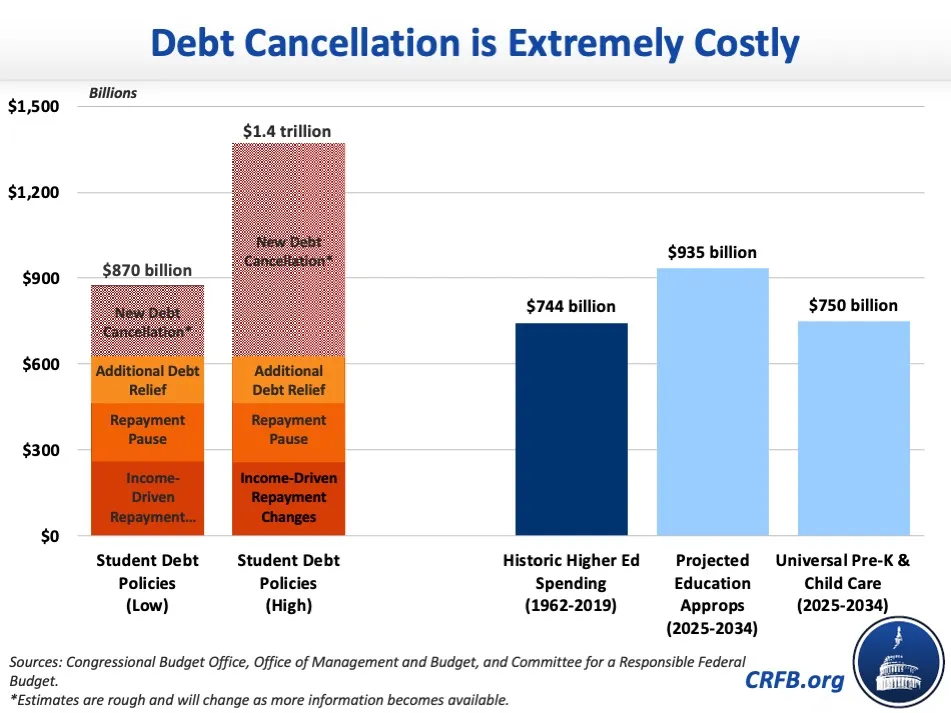
Consumers must be specifically careful of business asserting to provide government-sponsored credit card financial obligation forgiveness programs. No such federal programs exist for credit report card financial debt, unlike the forgiveness alternatives offered for government pupil financings. Any type of ads recommending or else are most likely frauds.
Other red flags consist of companies that demand large ahead of time fees before offering solutions, guarantee particular settlement percentages, inform you to stop communicating with lenders completely, or refuse to describe their cost structure plainly. Legit nonprofit firms provide clear details concerning costs, timelines, and realistic end results.
The CFPB suggests considering all choices before involving any type of financial obligation alleviation solution, consisting of working out straight with lenders on your own and speaking with not-for-profit credit rating therapists that can provide objective analyses of your circumstance.
Making an Enlightened Decision
Selecting the best financial debt relief course relies on specific scenarios, total financial obligation quantity, income stability, and capability to make consistent repayments. Free initial appointments from nonprofit credit scores therapy companies help potential customers comprehend their options without high-pressure sales methods.
Throughout these sessions, certified therapists examine financial circumstances, explain readily available programs, and create customized recommendations. Whether a person eventually selects debt mercy, financial obligation administration, personal bankruptcy, or self-directed payment, starting with not-for-profit advice ensures they receive guidance concentrated on their financial health and wellbeing.
Market leaders like Money Monitoring International, GreenPath Financial Wellness, InCharge Financial Debt Solutions, and APFSC all provide extensive services covering credit rating therapy, financial obligation administration, and bankruptcy education and learning. Most supply several call methods consisting of phone, on-line chat, and email, making it easy to start the discussion.
Taking the First Action
Financial healing hardly ever occurs over night. Financial obligation management plans generally extend 3 to five years, and financial obligation negotiation programs commonly need 24 to 48 months of structured savings and arrangements. The choice of continuing to have a hard time with unrestrainable debt while interest substances uses no course forward.
For any individual drowning in bank card financial debt, medical expenses, or personal loans, reaching out to a nonprofit credit rating counseling firm represents a crucial very first step. The appointment costs nothing, lugs no obligation, and offers quality about realistic choices. From there, notified decisions become feasible.
How Inflation Impacts Your Debt Repayment StrategyThe journey from overwhelming financial debt to monetary stability needs dedication, patience, and professional guidance. With assistance from trusted nonprofit companies and a clear understanding of offered programs, that trip ends up being attainable.

Table of Contents
- – What Financial Debt Forgiveness Really Means
- – The Important Difference In Between Nonprofit ...
- – Personal Bankruptcy Therapy: Comprehending You...
- – Comparing Your Financial Obligation Alleviatio...
- – Indication of Financial Obligation Relief Scams
- – Making an Enlightened Decision
- – Taking the First Action
Latest Posts

Things about How APFSC Work to Reach When Should You Give Your Child a Debit Card? The Complete Parent's Guide to Teaching Financial Responsibility : APFSC

The Facts About The Future in Debt Forgiveness Solutions Revealed
What Does Unsecured Debt Relief Made Simple Do?
More
Latest Posts
The Facts About The Future in Debt Forgiveness Solutions Revealed
What Does Unsecured Debt Relief Made Simple Do?